Blackswan Space Achieves TRL5 for Vision-Based Navigation System in €250k ESA Project
Blackswan Space has successfully completed a major milestone in its collaboration with the European Space Agency (ESA), advancing its flagship Vision-Based Navigation (VBN) system to Technology Readiness Level 5 (TRL5). The €250k project was carried out under ESA’s General Technology Support Programme (GSTP).
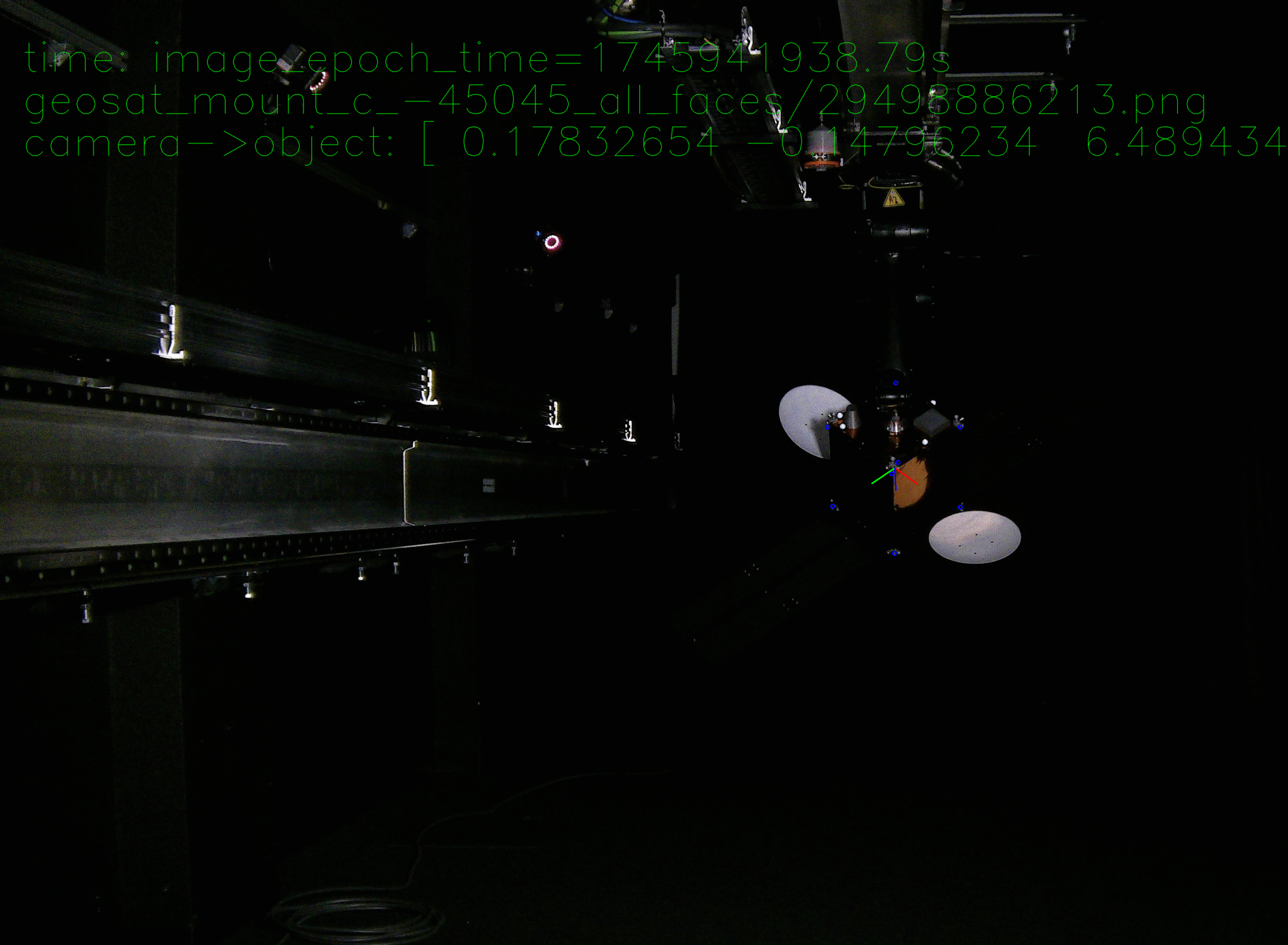
During the project, a prototype VBN system was successfully built and tested at ESA’s GRALS facility, which provided a space-representative environment including accurate lighting and dynamic conditions. The prototype demonstrated real-time navigation capabilities on space-representative hardware, validating its core functionalities and additional features such as power distribution, data handling, and mechanical integration.
To ensure reliability, a comprehensive Failure Mode and Effects Analysis (FMEA) was conducted. This process identified potential risks by assessing their detectability, probability, and severity, enabling the team to determine criticality levels and prioritize mitigation strategies.
The VBN system, designed for autonomous satellite operations such as in-orbit servicing (IOS), uses visual data from cameras and sensors to enable precise navigation during close approaches and docking. Its modular design ensures flexibility for different mission profiles, combining machine-learning algorithms with traditional marker-based methods for robust performance.
With TRL5 achieved, Blackswan Space is now preparing for TRL6 development, which will involve extended testing scenarios, integration with spacecraft guidance systems, and enhanced product assurance activities. These efforts will pave the way for the VBN system’s deployment in upcoming space mission foreseen in 2028.